Source Vintage Silicone Interchangeable Watch for Daily Life, Business, and Kids
Explore 25 listings for vintage silicone interchangeable watch options featuring round or square cases, digital or analog displays, and adjustable straps. Buyers can compare models like the Silicone Solar Watch-020Q and Keychain Watch-099M for various uses including daily life, business, and children.
Key considerations
Products List


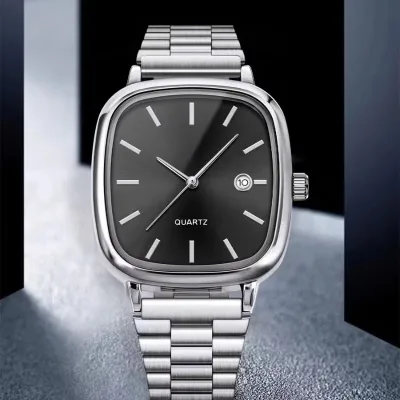


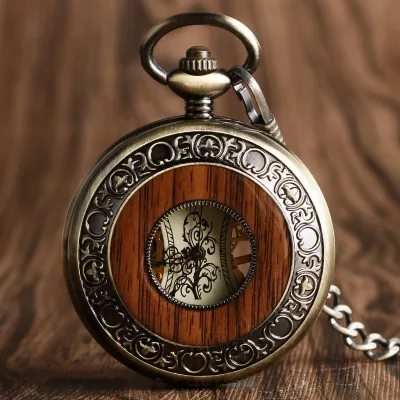
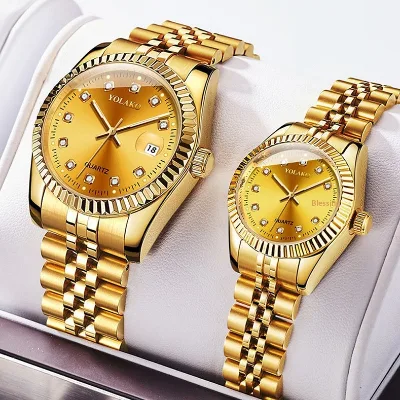
Comprehensive Sourcing Guide
Vintage Silicone Interchangeable Watch Sourcing Guide
Sourcing vintage-style silicone interchangeable watches requires balancing retro aesthetics with modern material durability and functional versatility. The observed market data indicates a diverse range of models, from round and square cases to specialized designs like fruit-shaped or keychain variants, all utilizing silicone or silicone-leather composites. Buyers must navigate a landscape where customization is widely available, allowing for tailored logos and strap adjustments to meet specific brand identities.
Procurement decisions should focus on verifying the interchangeability mechanism, as the supply chain offers both detachable and undetachable case options. While some listings highlight specific models like the Silicone Solar Watch series, others emphasize general utility for daily life or promotional gifts. Understanding these structural differences is critical before engaging suppliers, as the ability to swap straps or faces directly impacts the product's longevity and the end-user's satisfaction with the vintage aesthetic.
Product Scope and Observed Listing Signals
The current market presents a wide spectrum of vintage silicone watches, ranging from digital displays to analog quartz movements with day/date features. Listings reveal distinct product models such as the Silicone Solar Watch-020Q and Keychain Watch-099M, indicating that the category extends beyond traditional wristwatches to include multi-functional items like bottle openers and compasses. This variety suggests that buyers should clearly define whether they need a standard timepiece or a novelty item with integrated tools for promotional campaigns.
Observations show that case shapes vary significantly between round and square profiles, with some units featuring ion-plated finishes or zinc alloy components. The "vintage" designation often correlates with specific design elements like hook buckles or adjustable straps, yet the underlying technology may include modern solar charging capabilities. Buyers must scrutinize individual product descriptions to ensure the visual style aligns with the intended market, as the same supplier may offer both classic business styles and sport-oriented solar watches under the same vintage umbrella.
Technical Specifications to Verify
Technical verification must begin with the movement type, as the data confirms the presence of both quartz and solar-powered mechanisms within the vintage silicone category. Buyers should explicitly confirm whether the watch utilizes a standard quartz movement or a solar system, as this dictates battery maintenance requirements and long-term operational reliability. Additionally, the presence of features like chronographs, alarms, or power reserves requires specific validation to ensure these functions operate correctly in the final assembled unit.
Water resistance and case construction are equally critical parameters that vary across the observed listings. While some models are rated for 30 meters, others claim 200 meters of waterproofing, necessitating a clear distinction based on the intended usage environment. The clasp type, whether a hook buckle or standard buckle, and the material composition, such as zinc alloy or silicone leather, must be verified against the physical sample to ensure the vintage aesthetic does not compromise the structural integrity of the watch.
Compliance and Safety Documentation
Compliance verification is essential when sourcing silicone watches, particularly those marketed for children or universal use. The supply chain data references standards such as CE, SGS, GEM, and RoHS, which serve as indicators of material safety and manufacturing quality. Buyers should request specific test reports confirming that the silicone and metal components meet these standards, ensuring the products are free from harmful substances and safe for prolonged skin contact.
For products intended for the European or North American markets, adherence to REACH and RoHS regulations is a baseline requirement rather than an optional feature. Although some background information lists these certifications, buyers must obtain current, batch-specific documentation from the supplier to validate compliance. This due diligence protects the brand from potential regulatory penalties and ensures that the vintage silicone materials used in the watches do not pose health risks to consumers.
Cost Drivers and Commercial Terms
Cost structures in this category are heavily influenced by customization levels, with options for logo printing and strap adjustments adding variable expenses. The observed minimum order quantities (MOQ) range from 50 to 500 pieces, creating a tiered pricing model where larger orders typically secure better unit economics. Buyers must calculate the total landed cost by factoring in these MOQ thresholds, as ordering below the supplier's minimum may result in significantly higher per-unit prices or require a premium for smaller batch production.
Pricing volatility is also driven by the complexity of the watch features, such as solar capabilities or multi-function displays, which command higher prices than basic analog models. The data shows a wide price range, suggesting that buyers should negotiate based on the specific feature set required rather than a generic category average. Additionally, packaging requirements, ranging from standard to polybag configurations, can impact the final cost, making it vital to align packaging specifications with the target retail price point.
Supplier Qualification and Quality Control
Supplier qualification should prioritize manufacturers who explicitly offer OEM services and demonstrate a history of producing customized vintage-style silicone watches. The availability of customization options, including logo placement and strap adjustments, indicates a supplier's capability to adapt to specific brand needs. Buyers must verify that the supplier has the technical infrastructure to handle these customizations without compromising the consistency of the vintage aesthetic or the durability of the silicone materials.
Quality control protocols must be established to address the variability observed in product models and features. Since the market includes both high-end ion watches and basic keychain variants, a unified quality standard is necessary to ensure all units meet the buyer's expectations. Implementing pre-shipment inspections that check for movement accuracy, water resistance integrity, and clasp functionality is essential to prevent defects from reaching the end consumer and to maintain the brand's reputation for quality.
Long-Term Procurement Checks
Long-term procurement success depends on establishing a reliable supply chain that can consistently deliver vintage silicone watches with interchangeable features. Buyers should monitor the supplier's ability to maintain consistent quality across different production batches, especially when customizing logos or strap designs. Regular audits of the manufacturing process can help identify potential issues early, ensuring that the supply of these specialized timepieces remains stable and free from unexpected disruptions.
Sustainability and material sourcing are becoming increasingly important for long-term viability in the vintage watch market. Buyers should inquire about the environmental impact of the silicone and metal components used, ensuring they align with evolving consumer expectations for eco-friendly products. By maintaining open communication with suppliers regarding material sourcing and production standards, buyers can future-proof their inventory against regulatory changes and shifting market demands for responsible manufacturing practices.
FAQs
Can I customize the logo on vintage silicone interchangeable watches?
Yes, customized logos are available for these watches. The product page indicates that OEM services are provided, allowing buyers to add their branding. This customization option supports brand identity for promotional gifts or business use, ensuring the final product aligns with specific corporate or retail requirements.
What is the typical MOQ for silicone solar watches?
The typical MOQ for silicone solar watches is 500 pieces. This requirement is explicitly stated for specific models like the Silicone Solar Watch-020Q. Buyers should note that order quantities may vary, with some listings suggesting ranges between 50 and 300 pieces, but the standard bulk order starts at 500.
Are these watches suitable for daily life and business use?
Yes, these watches are suitable for daily life and business use. The product attributes list usage for daily life and style as business. Features like day/date displays and analog or digital methods support professional environments, while the durable silicone construction ensures comfort and practicality for everyday wear and various activities.
What certifications do the silicone watches meet?
The silicone watches meet CE, SGS, GEM, and RoHS standards. These certifications are listed for specific models like Silicone Watches-080W. Buyers can rely on these documented standards for quality assurance and regulatory compliance, ensuring the products adhere to recognized safety and environmental guidelines for international trade and consumer safety.
How waterproof are the vintage silicone interchangeable watches?
Waterproof ratings vary by model, with options for 30 meters and 200 meters. Some watches feature 30 m waterproofing for daily splashes, while others offer 200 m resistance for swimming. Buyers should check specific product specifications to ensure the selected model meets their intended water exposure requirements and usage scenarios.
What materials are used for the watch cases and straps?
Cases are made from round or square shapes, often using zinc alloy for keychain styles. Straps are typically silicone, offering adjustable features. The combination of durable silicone and metal components provides flexibility and strength. These materials support the interchangeable nature of the watches, allowing for easy customization and comfortable wear across different wrist sizes.